4 min read

VoicePlug’s conversational AI now integrated with Qu to enable intuitive voice ordering across phones and drive-thrus.Palo Alto, CA…
Learn More
Two restaurants can serve the same food, charge similar prices, and operate in the same market—yet one consistently captures more orders than the other.
The difference isn’t always the menu, the location, or even the marketing.
Increasingly, it comes down to how easy it is for customers to place an order.
A customer calling during lunch shouldn’t have to wait on hold. A guest placing a takeout order shouldn’t have to repeat their order multiple times. And a restaurant shouldn’t lose revenue simply because its staff is busy helping customers already inside the store.
In 2026, ordering has become one of the most important touchpoints in the customer journey. Restaurants that make ordering faster, easier, and more accurate are often seeing stronger conversion rates, larger average check sizes, and better guest satisfaction.
That’s why more operators are investing in an automated restaurant ordering system—not to replace hospitality, but to ensure every ordering opportunity receives immediate attention.
Whether you’re evaluating an automated ordering system for restaurants for the first time or looking to modernize your existing operation, understanding what today’s technology can do can help you make a smarter decision for your business.
For years, restaurants focused heavily on improving food quality, service standards, and marketing. Yet many overlooked one critical area: the ordering experience itself.
Customers now expect the same convenience from restaurants that they receive from rideshare apps, e-commerce platforms, and digital banking services. They want immediate responses, accurate information, and frictionless transactions.
When ordering becomes difficult, customers rarely complain. They simply move on.
A missed phone call. A long hold time. An inaccurate order. A confusing drive-thru interaction.
Each represents a potential lost sale.
This shift in customer expectations is one reason why restaurant operators are increasingly investing in restaurant-focused automation platforms like VoicePlug AI Phone Answering Service that help answer every call, automate order taking, and create a more consistent guest experience across multiple ordering channels.
An automated restaurant ordering system is a technology platform that manages customer ordering interactions with minimal employee intervention.
Modern systems can handle much more than basic order entry.
Today’s solutions often support:
The most advanced systems use conversational AI to understand customer requests naturally, guide them through the ordering process, and send completed orders directly into restaurant workflows.
Rather than functioning as a simple answering service, a modern automated food ordering system becomes an extension of your front-of-house operation.
Many restaurants underestimate how much time and revenue are tied to order management.
Consider everything that happens during a typical day:
None of these tasks directly produce food, yet they consume a significant portion of labor hours.
More importantly, every manual process introduces opportunities for delays and mistakes.
An automated ordering system helps eliminate many of these inefficiencies by creating a faster and more consistent ordering workflow.
For example, restaurants using modern Voice AI Technology can automatically answer calls, take complete orders, answer common questions, and send orders directly into the POS—without requiring staff intervention.
Not every restaurant adopts technology for the same reasons.
However, there are several common indicators that suggest automation can deliver immediate value.
If customers regularly encounter busy signals, voicemail, or extended hold times, your restaurant is likely losing orders.
Many operators discover that unanswered calls represent a much larger revenue leak than they initially realized.
Solutions like VoicePlug’s AI-powered Phone Ordering System help restaurants answer every incoming call, even during peak periods, ensuring potential customers don’t turn to competitors.
As menus become more customizable, manually capturing every modification becomes increasingly difficult.
Automation can help ensure consistency by accurately recording customer requests and routing them directly into kitchen workflows.
Restaurant employees already manage guest service, food delivery coordination, payments, and operational tasks.
Adding high call volumes often creates unnecessary pressure.
An automated ordering system allows staff to focus on hospitality while routine ordering interactions are handled automatically.
Growth introduces complexity.
A centralized automated ordering system for restaurants can help standardize operations across locations while maintaining flexibility for individual stores.
This is particularly important for restaurant groups that need consistent customer experiences while managing different menus, promotions, and locations.
Not all restaurant automation platforms are created equal.
The strongest solutions don’t simply answer calls—they improve the entire ordering experience.
One of the biggest advantages of modern restaurant technology is the ability to send completed orders directly into the POS.
This reduces manual entry, improves accuracy, and allows kitchen staff to begin preparing orders immediately.
Restaurants evaluating automation should prioritize solutions with strong POS connectivity, such as VoicePlug’s integration capabilities that connect with major restaurant technology platforms and help streamline operations from order placement to fulfillment.
Today’s customers interact with restaurants in different ways.
A modern system should support:
Managing these interactions through a unified platform creates a more consistent guest experience while simplifying restaurant operations.
Restaurant ordering is rarely straightforward.
Customers ask questions, modify meals, request substitutions, and change their minds.
Advanced conversational AI is designed to handle these interactions naturally while maintaining order accuracy.
Restaurant-specific platforms like VoicePlug are trained around restaurant workflows, menu structures, modifiers, and upselling opportunities rather than generic customer service conversations.
Upselling shouldn’t depend entirely on employee memory.
Many automated systems can suggest:
Consistent recommendations can have a meaningful impact on revenue over time.
The best systems make these recommendations feel natural rather than scripted, helping improve customer experience while increasing average order value.
Despite the growth of mobile ordering and delivery apps, phone orders remain a significant revenue channel for many restaurants.
Customers often call because they:
The challenge is that phone demand often peaks when staff are busiest.
This is why many operators are investing in AI phone ordering solutions that can answer every incoming call, take complete orders, process modifications, and route tickets directly into the POS.
VoicePlug’s phone ordering technology was built specifically for this challenge, helping restaurants capture more revenue from calls that might otherwise go unanswered.
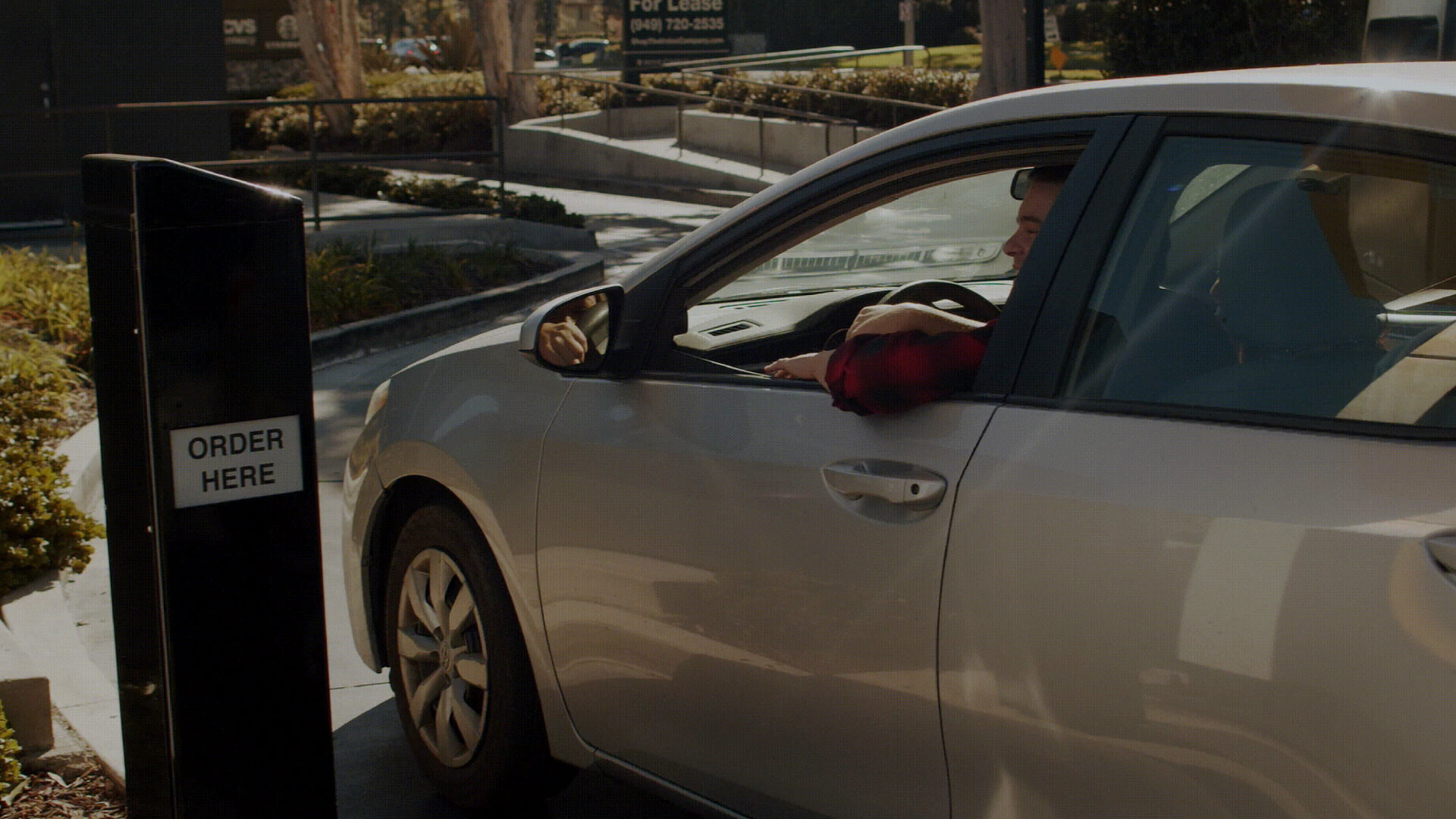
Speed has become one of the most important competitive advantages in quick-service restaurants.
Long wait times can impact customer satisfaction and throughput.
Many restaurant brands are now exploring voice-powered ordering systems capable of:
Rather than replacing employees, these systems help restaurants manage increasing demand while maintaining service quality.
VoicePlug’s Drive Thru AI solutions are designed around real restaurant environments, helping operators improve throughput while maintaining a natural conversational experience for guests.
One of the biggest mistakes restaurants make when evaluating automation is focusing only on order taking.
The real value comes from connecting ordering with the rest of the operation.
Modern restaurant automation should work alongside:
This creates a connected ecosystem where information flows automatically instead of requiring manual updates.
The result is better visibility, stronger reporting, and a more efficient operation.
One of the biggest misconceptions about automation is that it’s primarily a cost-cutting tool.
In reality, many restaurants adopt automation because of its revenue potential.
Every answered interaction creates an opportunity for a sale.
Fewer mistakes lead to happier customers and fewer refunds.
Consistent upselling opportunities can significantly impact revenue.
Customers appreciate convenience, speed, and reliability.
Restaurants that deliver all three often see stronger retention and repeat business.
As restaurants grow, automation helps them manage increasing order volume without needing to scale labor at the same rate.
Technology alone doesn’t guarantee success.
The most effective implementations follow a structured approach.
Identify where your restaurant experiences friction.
Examples include:
Generic call automation platforms rarely understand restaurant workflows.
Look for solutions built specifically for restaurants.
VoicePlug, for example, was designed exclusively for restaurant operations, helping brands automate phone ordering, drive-thru interactions, AI Reservation System, and customer engagement through conversational AI.
Your ordering system should connect seamlessly with existing POS, loyalty, and reporting systems.
Disconnected technology creates more problems than it solves.
Employees should understand how automation supports their role.
The goal isn’t replacing hospitality—it’s creating more time for meaningful guest interactions.
Track metrics such as:
The best operators treat automation as an ongoing optimization strategy rather than a one-time project.
Restaurant automation is evolving rapidly.
Over the next several years, we can expect:
The restaurants that thrive won’t necessarily be the ones with the most technology.
They’ll be the ones that use technology to remove friction from the customer experience.
When evaluating an automated restaurant ordering system, restaurants should look for solutions that can answer every call, take complete orders with modifiers, integrate directly with POS systems, support drive-thru ordering, and scale across multiple locations.
VoicePlug was built specifically for restaurant operators facing these challenges. From AI-powered phone ordering and drive-thru automation to reservations, ai kiosk, and POS integrations, the platform helps restaurants capture more orders while reducing operational burden on staff.
Rather than forcing operators to manage multiple disconnected systems, VoicePlug provides a unified approach to restaurant ordering automation that supports growth while improving the guest experience.
Switching to an automated restaurant ordering system is no longer simply about operational efficiency.
It’s about creating a faster, more reliable ordering experience that helps restaurants capture more revenue while allowing staff to focus on hospitality.
Whether you’re looking to improve phone ordering, streamline drive-thru operations, reduce order errors, or support future growth, the right automated ordering system can become one of the most valuable investments in your operation.
For restaurants evaluating automation in 2026, the goal isn’t to replace people. It’s to ensure every customer interaction has the opportunity to become an order.
An automated restaurant ordering system uses technology to manage customer ordering interactions, helping restaurants capture orders more efficiently while improving accuracy and service consistency.
The system receives customer orders through channels such as phone, drive-thru, kiosks, or digital platforms and routes them directly into restaurant workflows and POS systems.
An automated food ordering system is designed specifically for food service businesses and can automate order taking, modifications, customer inquiries, payments, and order routing.
Restaurants are adopting automation to reduce missed orders, improve customer experience, increase order accuracy, and support growth without significantly increasing labor costs.
Yes. Modern restaurant automation platforms, including VoicePlug, integrate with major POS systems to reduce manual entry and improve operational efficiency.
No. Independent restaurants, franchise operators, and multi-location brands can all benefit from automation.
No. Automation handles repetitive ordering tasks so employees can focus on customer service, food quality, and hospitality.
Yes. One of the biggest advantages of AI-powered ordering technology is the ability to manage multiple customer conversations at the same time.
By capturing more orders, reducing missed calls, improving upselling consistency, and increasing order accuracy, automation can directly contribute to revenue growth.
VoicePlug is built specifically for restaurants and supports phone ordering, drive-thru automation, reservations, kiosks, POS integrations, and conversational AI—all designed to help restaurants capture more orders and improve operational efficiency.

Jay Ruparel is a serial tech entrepreneur with a proven track record in building and scaling global technology-driven businesses. As the Co-Founder and CEO of VoicePlug Inc., he leverages his expertise in AI, machine learning, and digital transformation to drive innovation and growth. Jay is also the Co-Founder of Azure Knowledge Corporation and has received the EY Entrepreneur of the Year award. Outside of his professional endeavors, Jay mentors startups and serves as an advisor to various organizations.


VoicePlug’s conversational AI now integrated with Qu to enable intuitive voice ordering across phones and drive-thrus.Palo Alto, CA…
Learn More
Most guidance on AI reservation booking stops at the point of purchase. Pick a vendor, connect the system,…
Learn More
There’s a specific moment every full-service operator recognises. It’s 6:45 on a Friday, four parties are waiting at…
Learn More
Square operators have spent the last year in a different position from everyone else evaluating restaurant voice AI….
Learn More