
4 min read

VoicePlug’s conversational AI now integrated with Qu to enable intuitive voice ordering across phones and drive-thrus.Palo Alto, CA…
Learn More
Most restaurants don’t fail because of bad food.
They struggle because demand isn’t consistent.
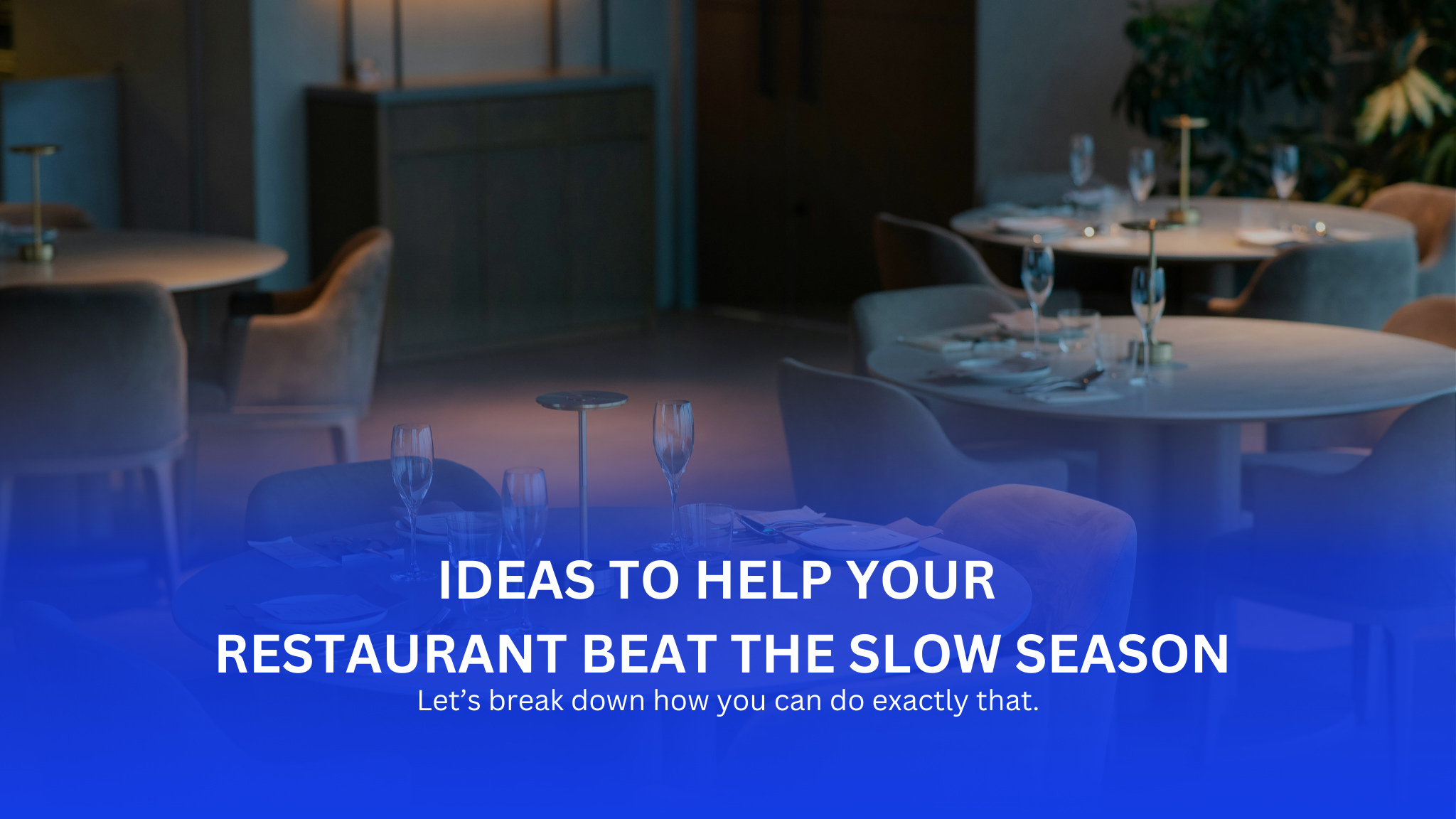
Every year, restaurants face periods when footfall drops, orders slow down, and revenue becomes unpredictable. Understanding the slow season for restaurants isn’t just about accepting lower sales, it’s about designing strategies that turn low-demand months into growth opportunities.
Instead of waiting for peak season to return, the smartest operators use slow months to optimize operations, strengthen customer relationships, and build systems that generate revenue even when demand dips.
Let’s break down how you can do exactly that.
The slowest months for restaurants typically fall between January and March, depending on geography, weather, and customer behavior. After the holiday rush, consumer spending slows, travel declines, and dining frequency drops.
However, there isn’t a single universal answer to what is the slowest month for restaurants.
For some, it’s January. For others, mid-summer or early fall.
The key insight?
Every restaurant experiences seasonality, but not every restaurant is prepared for it.
Seasonality affects every segment of the industry:
The restaurant’s slow season isn’t a temporary inconvenience—it’s a structural reality of the business.
But it’s also a strategic window.
Restaurants that treat slow months as downtime lose revenue.
Restaurants that treat slow months as optimization time build long-term advantage.
Your existing customers are your most reliable revenue source during slow months.
Instead of generic discounts, design loyalty incentives that increase visit frequency and average order value.
Examples:
To scale loyalty impact, restaurants increasingly integrate automation and personalization through tools like Voice AI ordering solutions, which help identify repeat customers and optimize engagement across channels.
👉 Explore how VoicePlug’s AI-powered restaurant automation can help restaurants retain customers and increase order volume.
Slow months are ideal for experimentation.
Instead of random menu changes, analyze:
Launch:
When combined with intelligent ordering systems like PizzaVOICE, restaurants can track which menu updates actually convert into higher revenue.
Community collaborations can unlock entirely new customer segments.
Partner with:
Joint campaigns increase visibility without heavy marketing spend.
Restaurants that integrate partnerships with AI-driven customer interaction platforms can track campaign performance more accurately and optimize collaborations.
Every month has hidden revenue opportunities.
Examples:
The difference between average and high-performing restaurants is execution speed.
Solutions like ReserveVOICE help restaurants manage reservations and demand spikes efficiently, even during unpredictable slow periods.
During slow months, digital visibility determines survival.
Focus on:
Restaurants using AI-powered customer engagement tools can respond faster, capture missed calls, and convert more inquiries into orders.
When dine-in traffic drops, convenience becomes the primary driver.
Optimize:
With automated ordering systems, restaurants can reduce missed calls, shorten wait times, and increase order accuracy—critical factors during slow demand periods.
Experiences drive emotional connection—and repeat business.
Ideas:
Restaurants leveraging AI-enabled guest interaction platforms can personalize invitations and track engagement across customer segments.
The slow season isn’t a problem—it’s a diagnostic phase.
It reveals:
Restaurants that invest in automation, customer experience, and data-driven decision-making during slow months emerge stronger during peak seasons.
If you want to see how AI can help your restaurant capture more revenue even during low-demand periods, explore VoicePlug’s complete AI agent suite for restaurants.
January is often considered the slowest month due to post-holiday spending fatigue, but it varies by location and restaurant type.
The slow season typically occurs between January and March, though some regions experience slower periods in summer or early fall.
Factors include weather changes, consumer spending cycles, holidays, travel trends, and local economic conditions.
Restaurants can boost revenue through loyalty programs, menu innovation, partnerships, digital marketing, delivery optimization, and automation technologies like AI-powered ordering systems.
Yes. Tools like Voice AI ordering, automated reservations, and customer engagement platforms help restaurants reduce missed opportunities and improve conversion rates even when demand is low.
Automation reduces operational costs, improves response time, and increases order capture, allowing restaurants to maintain profitability despite lower footfall.
Absolutely. Slow months are ideal for testing and implementing systems like VoicePlug’s AI solutions, ensuring restaurants are fully optimized before peak demand returns.

Jay Ruparel is a serial tech entrepreneur with a proven track record in building and scaling global technology-driven businesses. As the Co-Founder and CEO of VoicePlug Inc., he leverages his expertise in AI, machine learning, and digital transformation to drive innovation and growth. Jay is also the Co-Founder of Azure Knowledge Corporation and has received the EY Entrepreneur of the Year award. Outside of his professional endeavors, Jay mentors startups and serves as an advisor to various organizations.


VoicePlug’s conversational AI now integrated with Qu to enable intuitive voice ordering across phones and drive-thrus.Palo Alto, CA…
Learn More
The best restaurant POS system in 2026 is one that combines fast order management, real-time reporting, offline reliability,…
Learn More
A Restaurant Owner and Manager’s Guide to Leverage Customer Feedback Management for Growth As a restaurant owner or…
Learn More
Opening a restaurant in Texas isn’t about passion.It’s about precision. Every year, thousands of restaurants launch across the…
Learn More