4 min read

VoicePlug’s conversational AI now integrated with Qu to enable intuitive voice ordering across phones and drive-thrus.Palo Alto, CA…
Learn More
Fast casual restaurants operate in a unique middle ground. They move faster than traditional casual dining, but they also offer more customization, better ingredients, and a more premium experience than typical quick-service restaurants.
Because of this hybrid model, the technology stack behind fast casual restaurants becomes extremely important. One of the most critical decisions operators make is choosing the right POS for restaurants.
A POS system in a fast casual environment is not just a payment terminal. It becomes the operational backbone of the restaurant — managing orders, coordinating the kitchen, integrating with online ordering platforms, and connecting with emerging technologies like AI-powered ordering.
For growing fast casual restaurant chains, selecting the right POS can directly impact speed of service, order accuracy, operational efficiency, and ultimately revenue.
This guide explores the key considerations fast casual restaurants should evaluate when choosing a POS system in 2026.
A fast casual restaurant combines the speed and convenience of fast food with the quality and atmosphere of casual dining. Customers typically order at a counter or kiosk, but they receive fresher ingredients, customizable menu options, and a higher-quality dining experience.
Popular Mexican fast casual restaurants, for example, often allow customers to build their own bowls, tacos, or burritos with multiple ingredients and modifiers. This level of customization is one reason fast casual restaurants rely heavily on robust technology systems.
The best fast casual restaurants focus on three things:
• Speed of service
• Order customization
• Operational efficiency
A well-chosen POS for fast casual restaurants supports all three.
Fast casual environments are operationally intense.
During peak hours, restaurants must process high order volumes while managing customizations, modifiers, online orders, and delivery requests. Without a well-integrated POS system, these workflows quickly become chaotic.
A strong POS for restaurants enables fast casual businesses to:
• Process orders quickly
• Manage complex menu modifiers
• Route orders to the kitchen accurately
• Integrate with delivery platforms
• Support multi-location operations
• Track performance and sales data
For fast casual restaurant chains, POS systems also become critical for centralized management. Owners and operators need visibility into sales performance, inventory, and operations across locations.
The right system ensures that technology supports the restaurant instead of slowing it down.
Speed is one of the defining characteristics of fast casual restaurants. Customers expect quick ordering and fast service, even when the menu includes multiple customization options.
A POS system should allow staff to process orders rapidly without navigating complex screens or slow workflows.
Look for POS systems that offer:
• Quick order entry interfaces
• Easy modifier selection
• Fast payment processing
• Kitchen display system integration
When orders move quickly from the counter to the kitchen, restaurants can handle higher volumes without creating bottlenecks.
Customization is central to the fast casual dining model.
Whether it is build-your-own bowls, customizable pizzas, or ingredient-heavy salads, fast casual restaurants often deal with menus that include dozens of modifiers and combinations.
The POS system should allow restaurants to:
• Easily configure modifiers
• Handle ingredient substitutions
• Support combo building
• Manage menu updates quickly
For Mexican fast casual restaurants, for instance, the ability to quickly select toppings and ingredients during order entry is essential for maintaining speed while preserving accuracy.
Many fast casual restaurant chains operate multiple locations. A POS system must support centralized management across these stores.
Operators should be able to control menus, pricing, and promotions from a central dashboard.
Multi-location POS systems typically allow restaurants to:
• Manage menus across all locations
• Track location-level sales data
• Standardize pricing and promotions
• Monitor operational performance
This level of visibility is crucial for scaling fast casual restaurant brands.
Online ordering has become a core revenue stream for many restaurants. A POS system should integrate seamlessly with delivery platforms and direct online ordering systems.
Without proper integration, staff often need to manually enter delivery orders into the POS, which increases errors and slows operations.
The best POS for restaurants automatically routes orders from delivery platforms and online ordering systems directly into the kitchen workflow.
This reduces manual work and ensures accuracy across order channels.
Some fast casual restaurants also offer reservations or table seating.
Integrating reservation systems like OpenTable allows restaurants to manage guest bookings while keeping operations organized.
Reservation integrations help restaurants:
• Manage table availability
• Reduce wait times
• Improve guest experience
• Track reservation trends
Even restaurants with limited seating can benefit from structured reservation management.
Restaurant technology is evolving rapidly, and many fast casual restaurants are now adopting AI-powered ordering systems to streamline operations.
These systems automate ordering across multiple channels and connect directly with POS systems.
For example, VoicePlug offers several AI ordering solutions that integrate with restaurant POS systems:
AI Phone Answering System for Restaurants receive large volumes of phone calls for pickup orders, reservations, and menu inquiries. Voice AI can automatically answer calls, capture orders, and send them directly into the POS.
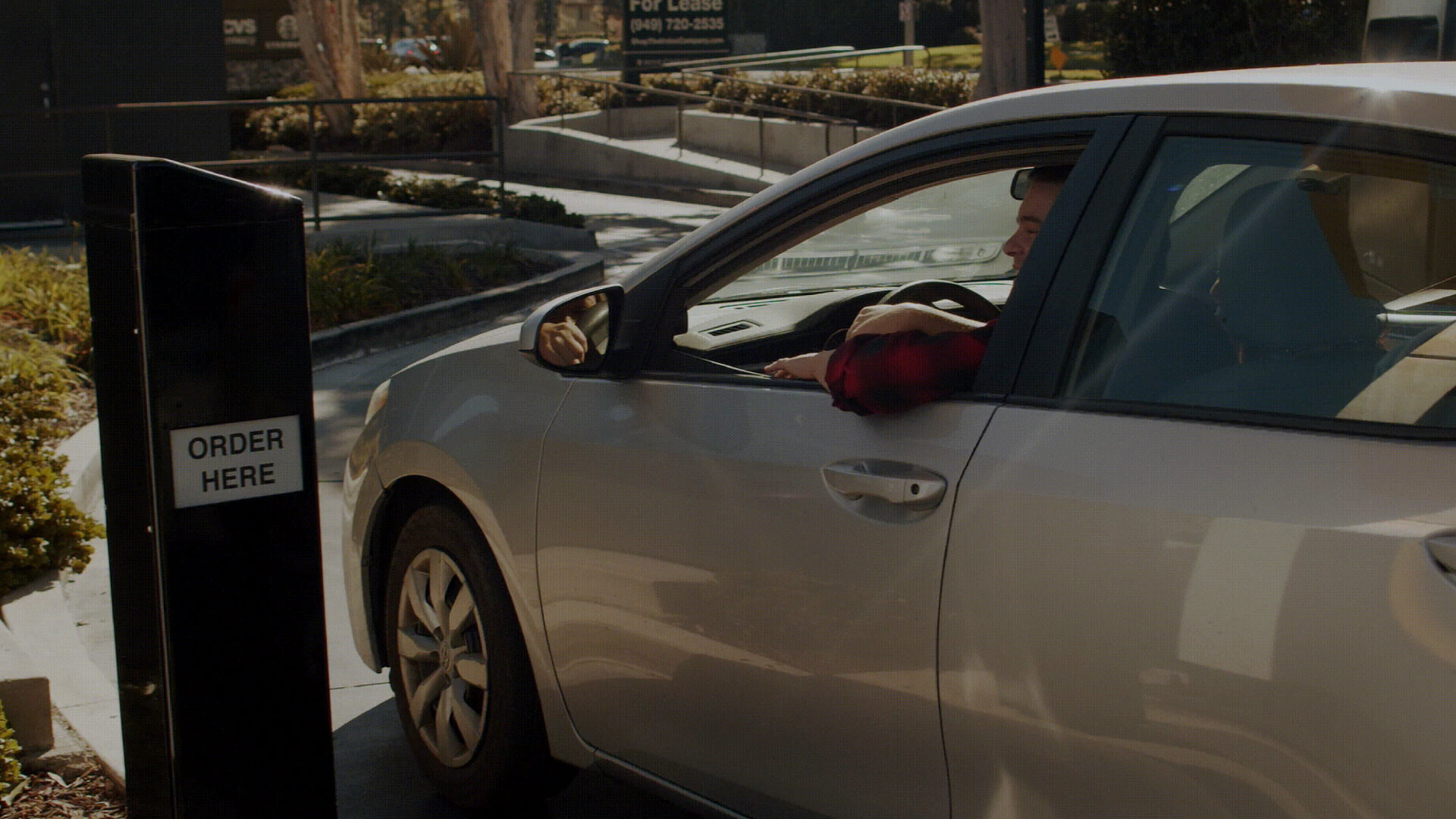
For locations with drive-thru lanes, AI Drive Thru systems can take orders automatically, reducing wait times and improving order accuracy.
Kiosks AI allow customers to place orders independently, increasing speed and often increasing average order value through automated upselling.
Restaurant Reservation System automation tools can handle bookings, confirmations, and guest inquiries without requiring staff to answer calls.
When these AI ordering channels connect directly with the POS system, restaurants can handle more orders without increasing staff workload.
Modern fast casual restaurant chains increasingly rely on integrated technology stacks rather than isolated tools.
A typical technology stack may include:
POS System
Handles transactions, reporting, and order routing.
Delivery Platform Integration
Connects online orders directly to the kitchen.
Reservation System
Platforms such as OpenTable manage bookings and guest seating.
AI Phone Ordering
Voice AI solutions from VoicePlug capture phone orders automatically.
Drive-Thru AI
Automates drive-thru ordering for faster service.
Self-Service Kiosks
Allow customers to place orders independently.
AI Reservation Automation
Handles booking requests without manual staff involvement.
When these systems are connected through a POS, restaurants create a seamless order management ecosystem.
When evaluating the best POS for fast casual restaurants, operators should prioritize systems that offer:
• Fast order entry
• Modifier-friendly menus
• Cloud-based reporting
• Multi-location management
• Delivery platform integration
• AI ordering compatibility
POS systems that support integrations with automation platforms can help restaurants improve efficiency and capture more orders.
Technology plays an increasingly important role in the success of fast casual restaurants.
From order entry to kitchen operations and customer interactions, POS systems sit at the center of the restaurant’s operational workflow.
Choosing the right POS for restaurants ensures that fast casual operators can handle high order volumes, support menu customization, and integrate with modern ordering technologies.
As restaurants continue adopting automation tools like AI phone ordering, drive-thru AI, kiosks, and reservation systems, POS systems that support these integrations will become even more valuable.
For fast casual restaurant owners looking to scale operations and improve efficiency, selecting the right POS system is one of the most important technology decisions they will make.
A fast casual restaurant is a dining concept that combines the speed of fast food with the quality and customization of casual dining. Customers typically order at the counter but receive higher quality food and more menu customization.
The best POS for fast casual restaurants are systems that support fast order processing, menu customization, kitchen display integration, and multi-location management.
Fast casual restaurant chains handle high order volumes and complex menus. A strong POS system ensures fast transactions, accurate order routing, and operational visibility across locations.
Yes. AI ordering platforms such as VoicePlug can integrate directly with POS systems to automate phone orders, drive-thru orders, kiosks, and reservations.
AI ordering systems help fast casual restaurants reduce missed calls, automate order taking, increase order accuracy, and allow staff to focus on food preparation and guest service.


VoicePlug’s conversational AI now integrated with Qu to enable intuitive voice ordering across phones and drive-thrus.Palo Alto, CA…
Learn More
California restaurants are automating the phone channel faster than operators in most other states, and the reason isn’t…
Learn More
Most guidance on AI reservation booking stops at the point of purchase. Pick a vendor, connect the system,…
Learn More
There’s a specific moment every full-service operator recognises. It’s 6:45 on a Friday, four parties are waiting at…
Learn More