4 min read

VoicePlug’s conversational AI now integrated with Qu to enable intuitive voice ordering across phones and drive-thrus.Palo Alto, CA…
Learn More
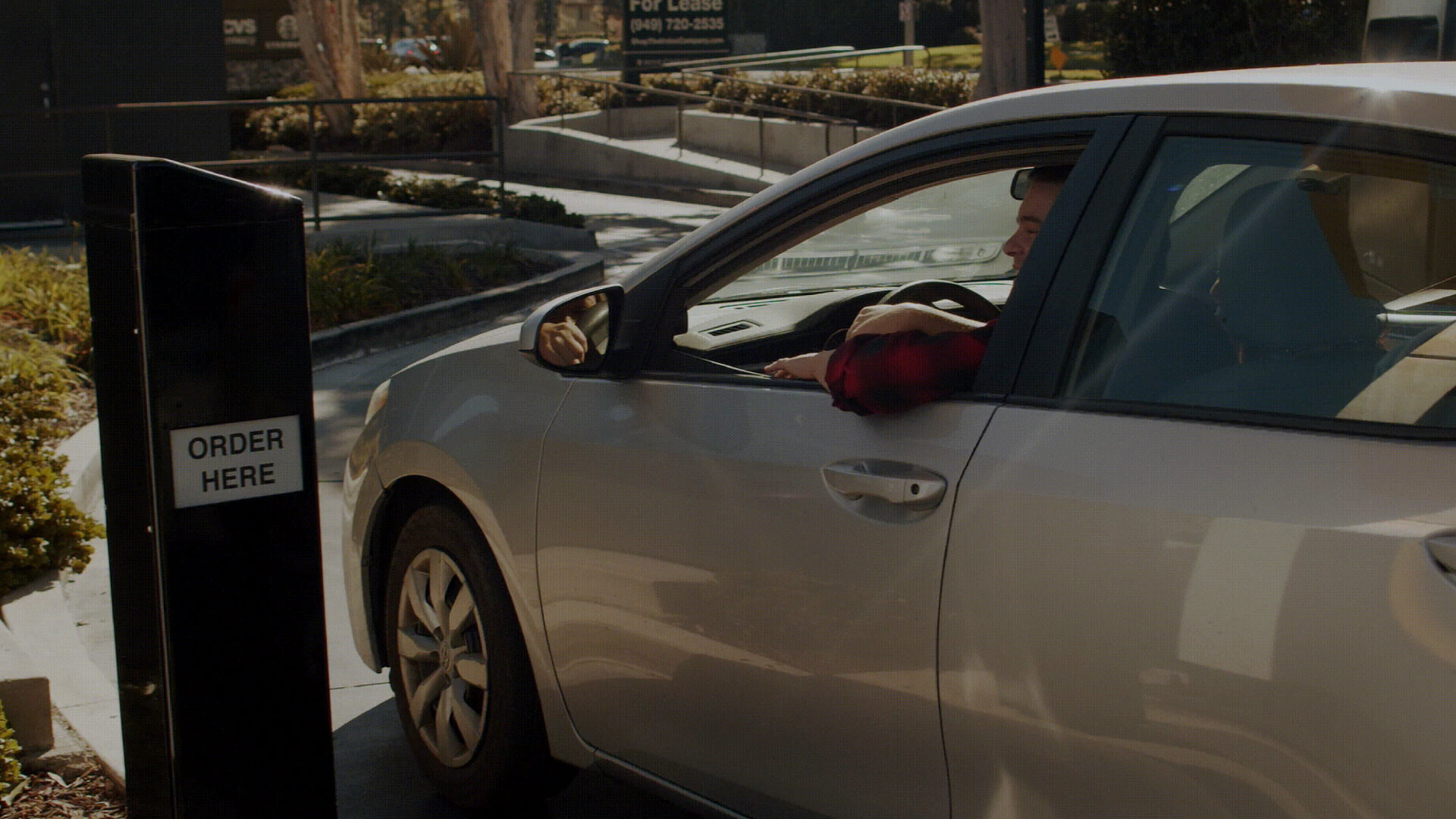
During a Friday dinner rush, incoming phone calls often ring endlessly while staff package orders or tend to the counter. Voice ordering tools answer those calls and push orders directly into your point-of-sale system. This guide covers how automated phone ordering works on the line, its operational limits, and how to set it up without disrupting kitchen workflow.
Voice ordering automates incoming phone orders. When a line is slammed at 6:30 PM, cashiers shouldn’t have to choose between answering a ringing line or handing a walk-in guest their bag. Automated systems handle the phone call, prompt the caller for required choices (like bread type or sides), and write the check directly into your POS.
These systems enforce menu logic. If a guest orders a meal combo, the system prompts for a drink selection and records special instructions (like extra sauce or no onions) using pre-set modifier maps.
Orders stream straight to the kitchen display screen or receipt printer. This eliminates misheard items, illegible handwriting on paper pads, and lost tickets.
| Feature | Traditional Phone | AI Voice Ordering |
| Order Accuracy | Dependent on staff focus during rushes | Validated against POS menu rules |
| Availability | Limited by available staff on duty | Always active across multiple incoming lines |
| Data Entry | Manual entry by front-of-house staff | Direct POS ticket injection |
| Missed Calls | High during lunch and dinner rushes | Near zero during peak call periods |
Automating routine phone calls helps capture off-premise orders that would otherwise go unanswered. Platforms like VOICEplug handle high call volumes so floor staff can focus on food prep and walk-in service.
Unanswered phone calls during peak hours represent lost tickets. When staff are busy bagging orders or running food, ringing phones go straight to voicemail or hang-ups. Automated voice systems answer every incoming call immediately.
The system acts as a dedicated phone operator, freeing front-of-house staff to handle in-store guests and expedite orders at the pass.
VOICEplug connects with established restaurant hardware to route orders instantly. The system sends clean tickets straight to your kitchen line.
Relieving cashiers of phone duties keeps front-of-house operations quiet and focused. Kitchen staff get clear, standardized tickets, and callers get their orders placed without sitting on hold.
When a customer calls, the Voice AI Technology answers on the first ring. It processes incoming speech in real time, identifies the menu items requested, and asks for necessary modifiers.
The system reads back the completed order to confirm accuracy with the customer before finalizing the ticket.
Once confirmed, the ticket routes directly into the point-of-sale system, calculates tax, and prints in the kitchen or appears on the KDS. If enabled, payment can be processed securely over the line.
A voice ordering tool must sync smoothly with your back-of-house setup. If the phone system accepts an item that is out of stock or calculates wrong modifier pricing, it creates friction at the pass.
When a caller places an order, item details must move from the voice line directly into the POS terminal. Real-time inventory syncing ensures out-of-stock items are automatically removed from phone availability.
Pricing and menu availability must match across all channels. Single-source menu management ensures that prices, taxes, and item options remain identical whether ordered at the register or over the phone.
Evaluate your technical setup before choosing a platform. Confirm POS compatibility and check how the system handles offline conditions or menu updates during mid-shift rushes.
Different order channels present distinct operational challenges. A pizza operation with dozens of custom modifiers requires different order handling than a drive-thru speaker post.
VOICEplug provides modular components designed for specific ordering channels, keeping order entry consistent across your store.
Selecting the right modules ensures phone lines and order channels stay clear during high-volume periods.
Voice technology is an operational aid, not a substitute for store management. Operators must account for system limitations and establish clear operational fail-safes.
Speech recognition can struggle with heavy background noise (such as diesel engines in a drive-thru lane), loud accents, or unmapped custom requests. If a caller requests an item off-menu, the system may fail to understand.
Network spikes or high call concurrency can occasionally cause processing delays. If ticket data fails to transfer to the POS, kitchen operations stall.
Systems like VOICEplug require active maintenance. Managers must set clear fallback protocols so unhandled calls transfer immediately to a designated store handset.
Evaluating voice ordering tools involves weighing monthly software fees against captured off-premise sales and labor efficiency. Unanswered phone lines during rush hours represent direct revenue loss.
When phone lines go unanswered during lunch or dinner rushes, callers go elsewhere. Automated voice tools capture those off-premise sales without adding hourly labor costs or overtime.
Offloading phone duties allows counter staff to focus on order assembly, bag checks, and walk-in guest service, improving overall shift throughput.
Drive-thru AI installations require hardware investments and staff onboarding. While initial costs are higher than standard phone lines, reliable call pick-up provides measurable long-term operational value.
Track order completion rates and captured call volume to measure when the platform covers its operating costs.
A successful rollout starts with clean operational data. Audit your POS menu and store policies before going live.
Clean up your POS menu structure. Standardize item names, clarify modifier groups, and eliminate duplicate entries so the system reads item choices correctly.
Never run an automated system without human oversight. Clear transfer policies ensure callers with complex requests reach staff quickly. Clean menu data maximizes ticket accuracy from day one.
Follow a structured deployment plan to integrate automated ordering into your daily workflow.
Define clear operational goals, such as reducing missed phone calls during rush hours or improving drive-thru times. Configure your POS menu data, set up modifier mapping, and connect the voice software to your main terminal.
Run internal testing before opening lines to live traffic. Test multi-item orders, custom modifications, cancellations, and dietary inquiries to ensure tickets inject cleanly into the kitchen.
Review call logs during the first few weeks to fine-tune system prompts and train staff on call takeover protocols.
Voice ordering yields the highest return in high-volume concepts where phone calls directly compete with counter service or kitchen expediting.
Operations struggling with staff shortages use automated phone tools to keep off-premise sales moving without pulling cashiers off the register.
| Business Type | Primary Need | Recommended Solution |
| Pizza Shop | Complex Customization | PizzaVOICE |
| Drive-Thru | Speed and Efficiency | Drive-Thru AI |
| General QSR | Missed Call Recovery | Phone AI |
If your team routinely misses phone calls during rush hours, automated ordering helps capture those orders and protect your daily receipts.
Automated voice ordering provides a practical solution for handling peak-hour phone traffic without adding cashier overhead. By routing orders directly into your POS, it eliminates missed calls, cuts manual entry errors, and keeps front-of-house staff focused on in-store guests.
Technology alone cannot replace good store management. Edge cases, complex guest inquiries, and noisy connections will always require human oversight. Having dedicated fallback lines ensures your operations stay smooth when edge cases arise.
If unanswered phone calls are costing you sales during peak rushes, evaluate how modular tools like VOICEplug can integrate with your current POS setup.
It is software that takes phone orders, prompts callers for menu modifiers, and injects clean tickets directly into your POS without requiring front-of-house staff to manually answer the line.
The software fields multiple incoming calls simultaneously. It takes orders, confirms details, and sends tickets straight to the kitchen while your floor staff focus on in-store guests.
Yes. Platforms like VOICEplug connect directly to POS hardware like Clover to keep menu items, pricing, and modifier rules synced in real time.
VOICEplug offers channel-specific tools including Phone AI for off-premise calls, Drive-Thru AI for speaker posts, Kiosk AI for lobby ordering, and PizzaVOICE for complex multi-topping modifier logic.
If a request falls outside pre-set menu rules or the caller asks for human help, the system transfers the call directly to a designated store handset for staff takeover.
Voice ordering operates on a fixed software subscription rather than an hourly wage, helping recover missed off-premise order revenue without increasing store payroll or overtime.
Not if your POS menu structure is clean. Implementation involves mapping items and modifier logic, running pilot test calls, and setting fallback rules before going live.
Yes. Industry groups recognize automated voice tools as a practical solution for managing persistent labor shortages and maintaining phone order capture during peak hours.
Loud background noise, heavy accents, or off-menu item requests can cause recognition gaps. Stores must maintain clear call transfer protocols so staff can step in when needed.
High-volume QSRs, pizza shops with high phone customization demands, and busy drive-thrus benefit most from offloading routine order taking during peak rushes.

Jay Ruparel is a serial tech entrepreneur with a proven track record in building and scaling global technology-driven businesses. As the Co-Founder and CEO of VoicePlug Inc., he leverages his expertise in AI, machine learning, and digital transformation to drive innovation and growth. Jay is also the Co-Founder of Azure Knowledge Corporation and has received the EY Entrepreneur of the Year award. Outside of his professional endeavors, Jay mentors startups and serves as an advisor to various organizations.


VoicePlug’s conversational AI now integrated with Qu to enable intuitive voice ordering across phones and drive-thrus.Palo Alto, CA…
Learn More
Restaurant labor costs in 2026 are structural. Minimum wages are rising across most US states. The labour pool…
Learn More
Every restaurant has a system for allergen management at the counter. There’s a process, however informal, for when…
Learn More
Restaurant operators have automated nearly every part of their business in the past decade. Online ordering. Kitchen display…
Learn More