4 min read

VoicePlug’s conversational AI now integrated with Qu to enable intuitive voice ordering across phones and drive-thrus.Palo Alto, CA…
Learn More
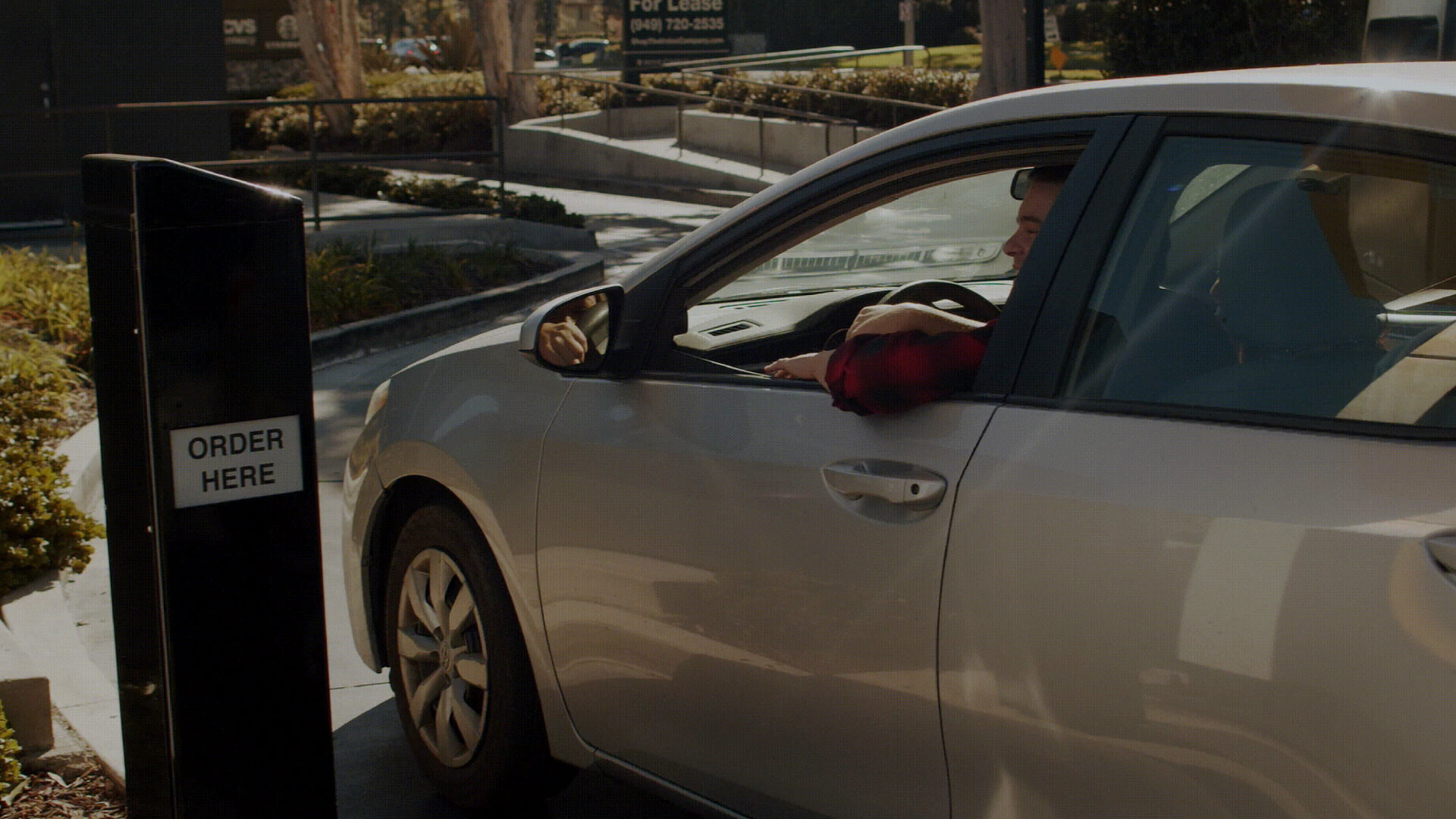
Restaurant operators looking to automate their ordering often hear “voice AI” and “conversational AI” used interchangeably. In reality, they are two separate parts of an automated ordering system. Understanding how they differ helps you select a system that won’t drop orders or stall your drive-thru lane during a Friday night rush.
In a commercial kitchen or drive-thru lane, voice-driven systems handle the raw mechanics of sound. They capture the audio from a phone line or a drive-thru speaker post and translate that speech into digital text.
Conversational platforms, by contrast, focus on the logic and flow of the order. One manages the acoustic signal itself, while the other processes the menu logic. Getting these two systems to work together ensures your automated ordering system pushes accurate tickets to your kitchen display system (KDS).
Voice AI acts as the digital headset for your operation. It bridges the gap between a customer speaking from a noisy vehicle and your digital point-of-sale (POS) system. This technology uses specific algorithms to turn raw acoustic waves into data your computer can read.
Automatic speech recognition (ASR) is the foundation of voice AI. Its sole job is to translate spoken words into text. If a customer at the speaker post says “double cheeseburger,” ASR transcribes those exact words.
Accuracy here is critical. If the ASR mishears the guest due to engine idle or wind noise, the entire order fails. Modern speech engines improve over time by adapting to different vocal speeds, tones, and regional speech patterns.
After the system processes an order, it must communicate back to the guest. This is where speech synthesis and text-to-speech (TTS) technology come in. They generate the spoken confirmation the guest hears.
A reliable voice system provides natural cadence and professional intonation. This ensures your automated system reads back order confirmations clearly, so guests know their order is correct before they pull around to the window.
For multi-unit operators, consistency is key to maintaining brand standards. Voice cloning allows a brand to deploy a uniform digital voice across every drive-thru lane and phone line in the system.
These generated voices provide a standardized greeting and upsell attempt for every transaction. Advanced applications also use voice biometrics to assist with secure, hands-free manager overrides or staff authentication on the floor.
Conversational AI acts as the brain of the order taker. It takes the text provided by the voice AI and determines what the guest actually wants. It goes beyond keyword matching to follow the actual logic of a human order, including mid-sentence corrections and side-item substitutions.
The core of an effective automated system is its ability to interpret unstructured speech. Natural language processing (NLP) breaks down complex sentences into structured data your POS can process.
With advanced language understanding, the system can move past rigid, scripted menus. It processes what a guest means even if they phrase it poorly—like understanding that “gimme a double with no onions” means a double cheeseburger with an onion omission.
A reliable AI phone agent for restaurants requires a strong system to manage the flow of the order. The dialogue management system acts like an experienced expeditor, tracking what has been ordered and what information is still missing.
Effective dialogue management handles several critical tasks:
Operational success depends on context. A system with contextual awareness understands that if a guest says “make it a meal” three sentences after ordering a chicken sandwich, the modification applies directly to that sandwich.
When an automated agent maintains context, it eliminates repetitive, frustrating clarification loops. This keeps transaction times low and prevents line-busting delays in your drive-thru.
Voice AI and conversational AI use entirely different pipelines to process data. While both rely on artificial intelligence, they solve different operational challenges at the ordering interface.
The primary technical difference is the incoming data format. Voice AI processes acoustic waveforms, meaning it must filter out background kitchen static, fryer alarms, and car engines. Conversational AI processes clean text strings, making it strictly a logic processor rather than an audio processor.
Because voice AI must first clean and transcribe the audio signal, it introduces an extra layer of technical complexity before your Restaurant POS System can even begin calculating the order total.
Speed dictates throughput. Voice systems have strict latency requirements because a two-second pause at a drive-thru speaker post causes guests to think the system broke. The audio transcription loop must happen almost instantly.
Conversational text systems can handle slightly deeper processing calculations to verify menu availability and modifier logic, but the total time from guest speech to system response must remain under a second to maintain natural conversation flow.
To work reliably in a restaurant environment, the voice interface must connect directly with your existing restaurant stack. This requires specialized integration software that maps raw audio commands straight into actionable POS modifications and KDS ticket displays without requiring custom middleware for every location.
When voice processing and conversational logic are integrated correctly, the distinction between them disappears for the guest. The result is a reliable automated agent that takes full orders without human intervention, allowing your crew to stay focused on food assembly and expediting.
Modern ordering systems use advanced voice technology to sound clear and professional. Developers select vocal profiles that match a brand’s identity, ensuring the automated agent sounds like an experienced crew member rather than a robotic phone menu.
The main operational hurdle is translating real-world speech into clear kitchen instructions. Advanced systems analyze the entire sentence structure to ensure that hesitation words like “um” or “uh” don’t accidentally get rung up as menu items.
If a guest interrupts the system while it is listing a total to add an extra order of fries, the system must immediately stop speaking and log the item. Real-time performance ensures the interaction moves at the speed of a standard human conversation, protecting your speed-of-service metrics.
Automated voice tools are increasingly common in daily operations, helping managers stabilize labor costs and keep kitchens running smoothly during peak hours.
Old phone ordering systems relied on frustrating “press 1 for locations, press 2 for takeout” menus that caused high customer abandonment rates. Upgrading to a natural voice agent allows phone customers to simply state their order immediately. This captures off-premise revenue during a heavy lunch rush without pulling a line cook away from the grill to answer the phone.
Inside the back office and kitchen, hands-free voice tools allow managers to check inventory levels, log food safety temperatures, or print prep labels without stepping away from the line or removing their gloves to use a touchscreen.
Voice systems provide a clear alternative for guests who struggle with self-service kiosks or mobile ordering interfaces. For managers, speech-to-text tools automate shift logs, manager logs, and incident reports, reducing office screen time and keeping leadership on the floor with the crew.
Conversational logic helps streamline order routing and guest communication, reducing the administrative burden on corporate teams and store managers alike.
Using an automated AI Phone Agent to handle routine phone inquiries—like confirming store hours, holiday closures, or delivery radiuses—frees up your staff for high-value tasks. The agent handles basic questions instantly, ensuring callers get answers without waiting on hold during peak dinner hours.
Automated systems can monitor changes in a caller’s vocal tone and vocabulary in real time. If a guest becomes frustrated by an order modification limits, the system detects the shift immediately.
Multi-unit restaurant brands can handle hundreds of incoming phone orders simultaneously during a major holiday rush without adding call-center staff or overwhelming in-store employees. This stabilizes operational overhead while ensuring no incoming revenue is lost to busy signals.
Evaluating an automated order management requires looking at real-world kitchen and drive-thru conditions rather than laboratory benchmarks.
A restaurant-grade voice model must filter out diesel engines, heavy rain, blender noise, and cross-talk from the passenger seat. The system must accurately parse varied regional accents and dialects to prevent order errors and guest frustration.
The system’s practical value depends entirely on its menu understanding. It must successfully process complex, non-linear ordering patterns, such as a guest ordering a drink, moving to an entree, and then changing the size of the initial drink at the very end of the transaction.
Long response delays destroy drive-thru throughput. If the system pauses too long between a guest finishing a sentence and the next prompt, the entire drive-thru lane backs up. Minimizing this delay is the most critical metric for maintaining fast lane times.
Deploying automation into daily operations requires balancing speed and efficiency with security and compliance standards.
Operators must ensure that all voice data captured via phone or drive-thru complies with local privacy laws. Payment information processed during an automated transaction must be heavily encrypted to protect guest financial data and preserve brand trust.
If an automated ordering platform is trained on a narrow set of voice data, it will fail to understand a large percentage of your guest base. Systems must be trained on diverse speech profiles to ensure reliable, accurate order-taking for every guest who enters the drive-thru lane.
While custom brand voices help create a consistent customer experience, operators must ensure transparency. Guests should have a clear understanding of the ordering process, ensuring transactions remain straightforward and professional.
Voice AI and conversational AI are distinct, complementary components of modern restaurant automation. Voice AI handles the difficult task of capturing audio in a loud, chaotic environment, while conversational AI manages the complex menu matrix and POS entry logic.
For restaurant operators, deploying these tools isn’t about chasing technology trends. It is about protecting your throughput, reducing the operational burden on your short-staffed kitchen crews, and capturing every single revenue opportunity that comes through your phone lines or drive-thru lanes.
Before choosing an automated ordering platform, audit your current peak-hour order metrics. Look closely at your dropped call rates, your average drive-thru service times, and your order error costs. Choose a system engineered specifically to handle the loud, fast-paced reality of a commercial kitchen floor.
1. What is the primary difference between Voice AI and Conversational AI?
Voice AI handles the audio mechanics—turning spoken sound waves from a phone or drive-thru into digital text. Conversational AI acts as the logic engine, analyzing that text to understand the actual menu items and modifications the guest wants to order.
2. How does automatic speech recognition function within an AI voice agent?
Automatic speech recognition (ASR) converts the guest’s spoken words into text data. In a restaurant environment, it must filter out engine idle, kitchen static, and wind noise to ensure the text it passes to the POS is completely accurate.
3. What is the role of text-to-speech (TTS) in creating a natural user experience?
Text-to-speech (TTS) reads the order confirmation back to the guest. A clear, natural-sounding digital voice ensures the customer can verify their order items at the drive-thru screen or over the phone without any miscommunication.
4. How can businesses use voice cloning and generative AI ethically?
Operators use voice cloning to maintain a single, consistent brand voice across all store locations. Ethical deployment requires protecting this voice data from unauthorized access and ensuring guest transaction data remains fully encrypted.
5. Why is latency so important for an AI voice agent in a call center?
High latency causes awkward pauses that disrupt the conversation flow. If a phone or drive-thru system takes too long to respond, guests will talk over the prompt, confuse the system, and slow down your overall service speed.
6. How does conversational AI improve upon a traditional interactive voice response (IVR) system?
Traditional IVR systems force guests through rigid button-pressing menus. Conversational AI allows guests to speak their order naturally, handling complex substitutions and side choices just like a live crew member would.
7. Can voice AI systems handle different accents and background noise?
Advanced restaurant-grade systems are trained on diverse acoustic data. This allows them to filter out heavy ambient noise—like diesel trucks and commercial kitchen fryers—while accurately transcribing varied regional accents.
8. In what ways do businesses use conversational AI to automate workflows?
Operators use it to automate phone orders, manage drive-thru lanes, and answer routine customer service questions. This keeps phone traffic out of the kitchen and allows the in-store crew to focus entirely on making food and serving guests.
9. What is sentiment analysis, and why is it useful for an AI voice agent?
Sentiment analysis monitors a guest’s vocal tone for signs of confusion or anger. If a guest becomes frustrated trying to change an order, the system flags the interaction and routes the call immediately to a live store manager.
10. What should organizations consider regarding data privacy when they deploy AI?
Operators must ensure their system secures all biometric and voice data. Any automated ordering platform must comply with local security frameworks and encrypt all payment transmissions to protect customer identities.

Jay Ruparel is a serial tech entrepreneur with a proven track record in building and scaling global technology-driven businesses. As the Co-Founder and CEO of VoicePlug Inc., he leverages his expertise in AI, machine learning, and digital transformation to drive innovation and growth. Jay is also the Co-Founder of Azure Knowledge Corporation and has received the EY Entrepreneur of the Year award. Outside of his professional endeavors, Jay mentors startups and serves as an advisor to various organizations.


VoicePlug’s conversational AI now integrated with Qu to enable intuitive voice ordering across phones and drive-thrus.Palo Alto, CA…
Learn More
Restaurant labor costs in 2026 are structural. Minimum wages are rising across most US states. The labour pool…
Learn More
Every restaurant has a system for allergen management at the counter. There’s a process, however informal, for when…
Learn More
Restaurant operators have automated nearly every part of their business in the past decade. Online ordering. Kitchen display…
Learn More